Upgrading your smartphone through AT&T’s early upgrade programs — Next Up or Next Up Anytime — offers an easy path to the newest devices from Apple, Samsung, and Google. But many customers are surprised when their first bill after switching or upgrading is much higher than expected.
At Best ISP Deals, we help customers understand exactly how AT&T’s trade-in credits, promo credits, and billing cycles work. The delay isn’t a mistake — it’s part of how AT&T processes device promotions across different billing cycles.
Here’s a detailed breakdown of what happens, why it happens, and what customers in USA can expect every time they upgrade.
1. Why Trade-In Credits Don’t Apply Right Away
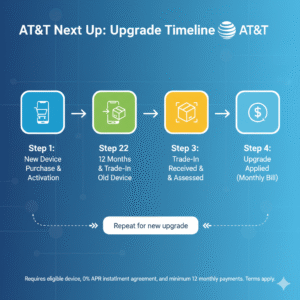
A common misconception is that once a promotion is applied or a device is traded in, the credits should appear on the very next bill. But AT&T’s system processes promotions based on:
- Billing cycle start date
- Date the device ships or activates
- When the trade-in is received and verified
- Program type (Next Up vs. Next Up Anytime)
This creates a 1–3 billing cycle delay before new trade-in credits appear.
This is not a penalty — it’s simply how installment promo credits are validated and synced.
2. What Real Users Experienced in the Thread
In the shared discussion, several experienced AT&T users clarified the reality of promo credit delays:
• One user reported:
Trade-in credits began showing about one month after upgrade.
• Another experienced commenter stated:
Customers must wait up to three billing cycles before filing a complaint — because credits frequently take that long.
• Another user added:
Promo delays happen every time, for every promotion, not just the first upgrade.
These comments highlight the core truth:
✅ Credit delays are normal
✅ They happen with every upgrade
✅ Billing cycle timing can make delays look longer
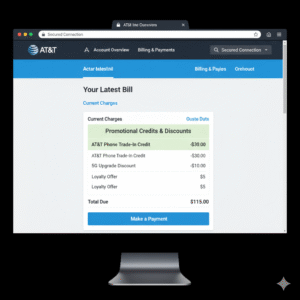
3. The First AT&T Bill Is Always the Highest
When a customer switches from another carrier — like the user moving from T-Mobile to AT&T — the first bill is often a shock.
For example:
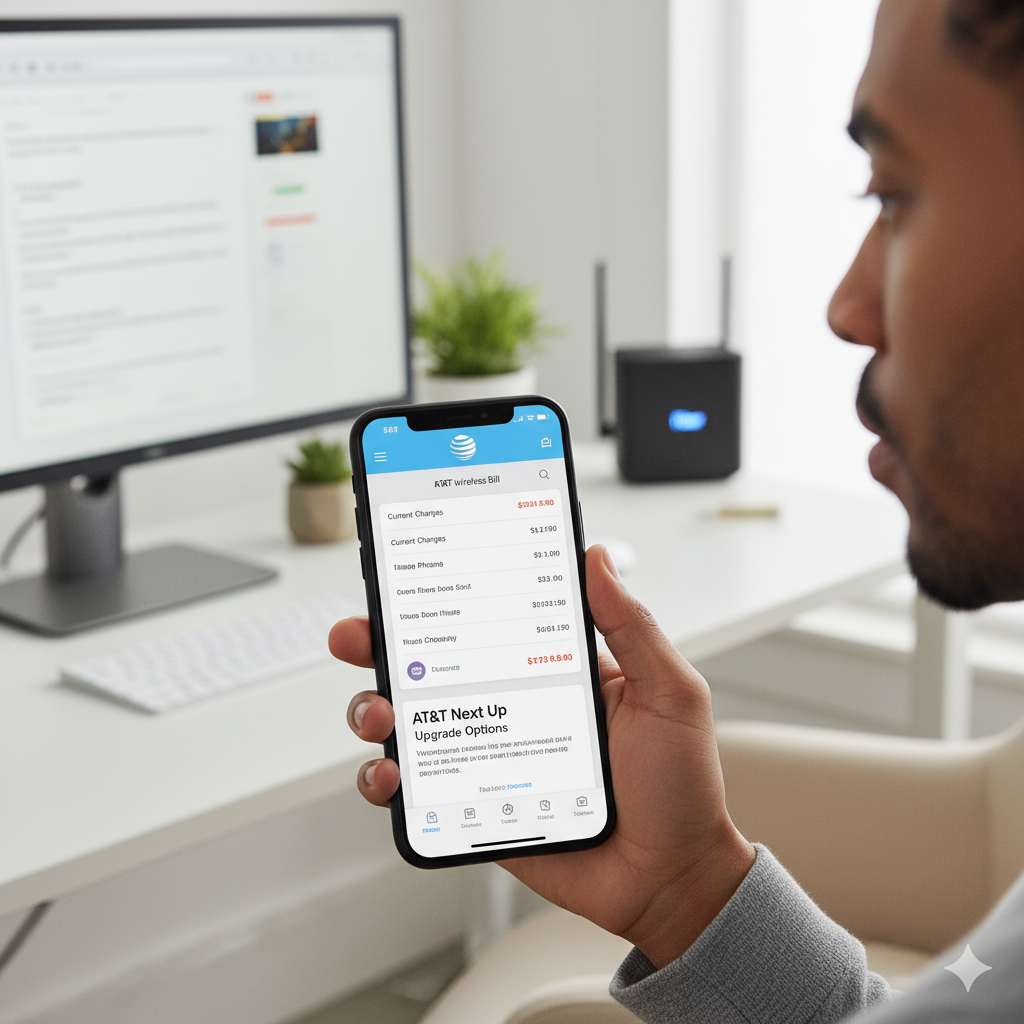
A customer expected a bill of $186, but the first bill arrived at $318.
This happens because the first AT&T bill includes:
- Activation or upgrade fees
- Prorated partial month + full next month
- Temporary full installment charges (before credits)
- Taxes & regulatory fees
- Line access charges before discounts apply
This elevated first bill is normal and only happens once when opening the account.

4. What Happens on Future Upgrades with Next Up & Next Up Anytime
This is the key point AT&T customers always want to know:
✅ Do credits get delayed every time?
Yes.
Every time you upgrade under a promo, credits take 1–3 cycles to appear.
✅ Does your bill spike as high as the first bill?
No.
The first bill is always the highest because of:
- Activation fees
- Long proration period
- New line charges
- No promo credits yet
Future upgrades don’t recreate that massive initial spike, though the bill may increase temporarily by the device installment amount until credits catch up.
✅ Do credits apply retroactively?
Yes — every time.
Once credits start, they back-pay for the months you paid full price.
So even if you pay full installments for 1–3 months, you will receive credit adjustments on later bills to balance everything out.
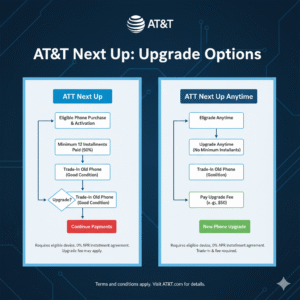
5. Next Up vs. Next Up Anytime — Why It Matters
During the discussion, an expert clarified an important point:
AT&T Next Up ≠ AT&T Next Up Anytime
They are two separate programs.
- Next Up (older program)
- $6/mo
- Upgrade after 50% paid
- No longer available to new customers
- Next Up Anytime (current program)
- $10/mo
- Upgrade up to 3× per year
- Requires returned device in good condition
Customers using Next Up Anytime can upgrade more frequently — but the credit delay rules remain the same every time.
6. Why AT&T Uses This Billing Structure
AT&T’s system is designed this way to:
- Validate device condition
- Confirm trade-in eligibility
- Prevent promotional misuse
- Verify activation dates across billing cycles
- Align installment credits with verified account status
This ensures fairness across all customers and smoothes out financing and promotional payouts.
At Best ISP Deals, we make these rules easy to understand so customers in USA know exactly what to expect before upgrading.
Conclusion
AT&T’s trade-in credit delay may feel confusing, but it is:
✅ Standard for all promotions
✅ Part of both Next Up & Next Up Anytime
✅ Triggered by billing cycle timing
✅ Temporary
✅ Retroactively credited once approved
The only unusually high bill is the first AT&T bill. After that, upgrade bills stay normal — even with 1–3 months of delayed credits.
At Best ISP Deals, the goal is to help customers in USA understand these timelines so every upgrade is smooth, predictable, and free from billing surprises.