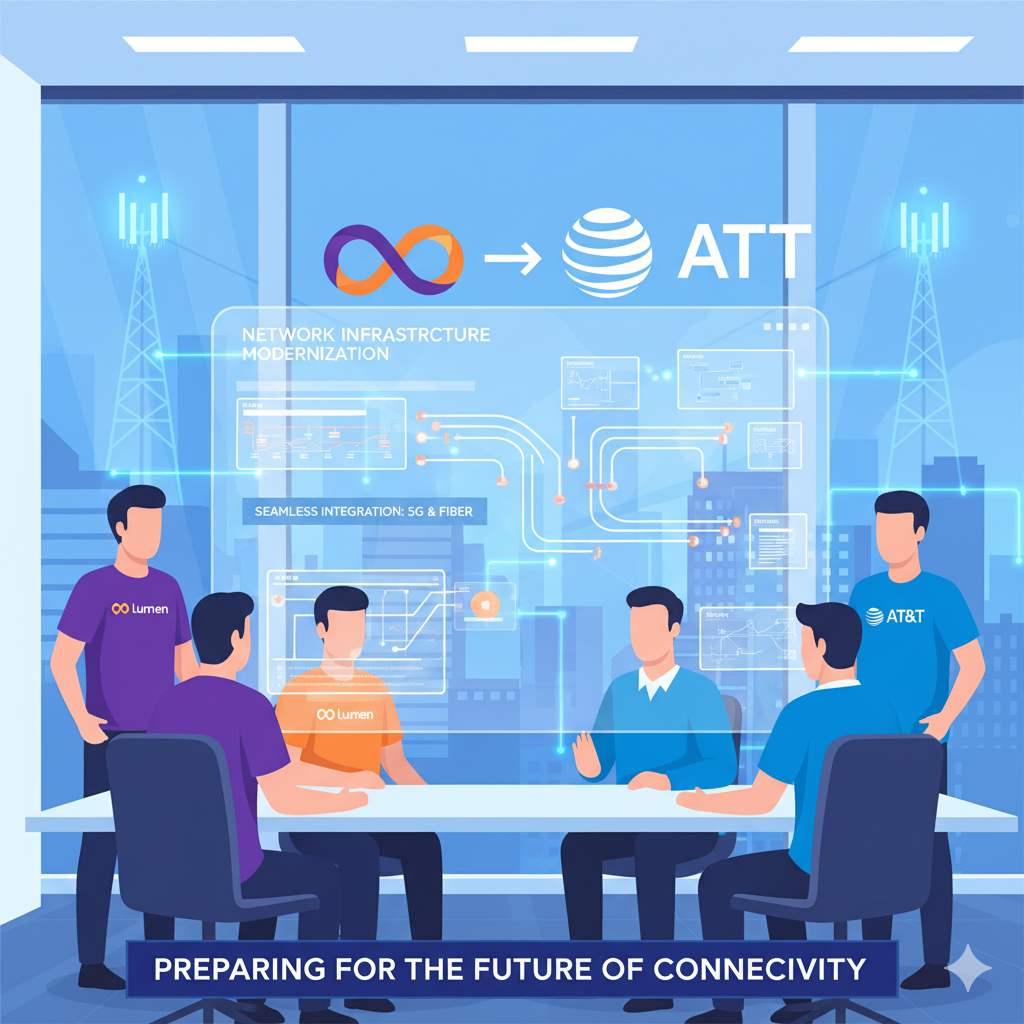
Mergers in the telecom world usually land like quiet ripples.
This one hit like a thunderclap.
Across breakrooms, Slack channels, and late-night group chats, employees of CenturyLink, Lumen, and anyone touched by the coming AT&T takeover are all asking the same thing:
“What exactly is going on?”
Inside {{area}} and beyond, tension has been building as October 28 approaches. Anxiety, confusion, and a sense of being left in the dark have turned this acquisition into one of the most talked-about shakeups in years.
At Best ISP Deals, we follow these major industry shifts because they directly impact home internet customers, fiber availability, pricing structures, and service reliability.
What’s unfolding in this thread paints the clearest picture yet of how huge this transition might be.
1. Employee Concerns: Uncertainty, Union Questions, and a Shifting Landscape
The loudest message from the thread is simple:
People feel blindsided.
Workers report being scared, angry, or unsure whether they’ll even have a job once Network Co takes over. Many say that information coming from leadership has been vague or inconsistent.
A few major themes appeared repeatedly:
Union worries
- Many believe the creation of Network Co is a way to bypass CWA union protections.
- Some say AT&T has stated that employees leaving Lumen automatically leave the union.
- Others report new language in union contracts that may or may not follow employees through the transition.
- There is confusion about “successorship clauses” and whether they apply.
Outsourced operations
Employees say:
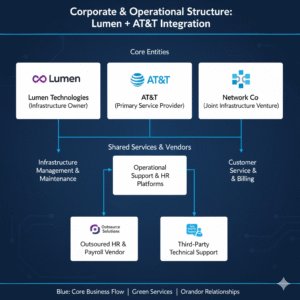
- HR is being run through Insperity
- Recruiting is handled by Bright Move
- Network Co and Forged Fiber 37 LLC aren’t AT&T brands at all
- People fear this setup makes unionizing harder and job security weaker
One employee summarized it bitterly:
“Both ships are sinking and we’re drowning.”
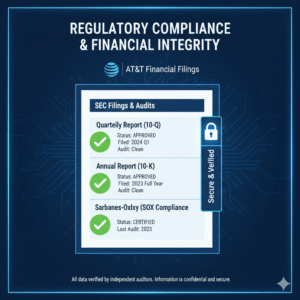
2. What the Official Filings Say
A commenter cited Lumen’s recent SEC 10Q filing, which reads like a caution flag.
The divestiture:
- Is not guaranteed to close on schedule
- Could cause customer confusion
- Might impact credit ratings
- Could leave Lumen with underutilized or stranded assets
- May cause operational issues even after completion
- Comes with high risk if regulatory approval stalls
AT&T’s side offers more details:
Purchase
- $5.75B for Lumen’s Mass Markets fiber business
- Closing expected early 2026 (pending approvals)
Network Co
A new AT&T-owned subsidiary that will temporarily hold the acquired assets. After closing, AT&T plans to sell partial ownership to an equity partner.
Post-closing operations
- Lumen will continue running parts of the network for up to two years
- Some technicians transfer, some do not
- CenturyLink copper customers and POTS lines may remain under Lumen (though many employees predict accelerated retirement of legacy copper)
3. What Happens to Fiber Deployment and {{area}} Customers?
For customers in {{area}}, the biggest question is simple:
Does this mean more fiber?
Multiple commenters highlighted these points:
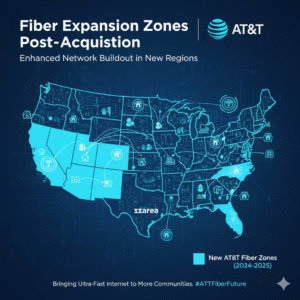
Confirmed expansion plans
- AT&T wants to reach 60 million locations by 2030
- The acquisition brings 4.4 million existing fiber locations
- AT&T plans to build an additional 5.6 million new fiber locations after the deal closes
In Q3 alone, AT&T built 900,000 new fiber passings, compared to Lumen’s 500,000 per year.
Will {{area}} get new fiber?
Yes.
The comments indicate AT&T intends to expand even outside Lumen’s existing fiber footprint.
Network performance questions
Some users say CenturyLink currently performs better in their regions than AT&T, but Network Co is expected to operate with a new backbone structure.
Early talk suggests:
- Lumen retains the backbone and major transport
- Network Co handles last-mile fiber delivery
- Fiber cabinets act as a handoff point between the two
This hybrid model is new and untested, but it hints at improvements once the system stabilizes.
4. Copper, POTS, and Legacy Services: What Survives?
This part of the thread gets messy.
Lumen states:
DSL and phone lines aren’t being dismantled overnight.
But employees on the ground say:
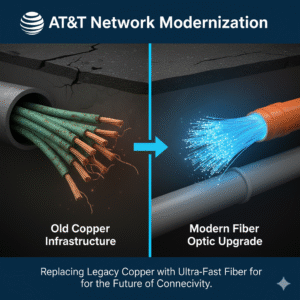
- Copper retirements are accelerating
- Notices are going out in some wire centers
- CenturyLink refuses to replace damaged copper lines in many regions
- Lumen has been selling properties and reducing on-site staff for years
Some fear the acquisition will be an indirect way to abandon legacy networks by shifting technicians to AT&T-controlled operations.
If regulators push back, the deal might slow down.
If not, copper in {{area}} could see a faster sunset than expected.
5. The Real Impact on Workers and Communities
Beyond the filings and network maps, the emotional pulse of this thread is heavy.
Employees feel:
- Uncertain about their future
- Frustrated by lack of clear communication
- Worried about union protection
- Concerned about forced transfers or unemployment
- Upset by differences in how AT&T and Network Co present themselves
One comment echoed the mood of the entire discussion:
“All we have is each other.”
For customers in {{area}}, the transition may bring faster fiber, wider coverage, and upgraded infrastructure.
But for the people behind the scenes, the next few months could define entire careers.
Conclusion
The AT&T acquisition of CenturyLink’s fiber assets is far more complex than usual corporate mergers.
It blends expansion plans, union questions, internal restructuring, outsourced HR teams, regulatory hurdles, and a workforce trying to stay steady through shifting ground.
For residents of {{area}}, this likely means improved fiber access and more competitive services.
For employees, it means a period of uncertainty filled with unanswered questions and hope that leadership and regulators handle the transition with transparency and fairness.
At Best ISP Deals, we’ll continue monitoring updates and sharing clear insights as the deal progresses — so customers and employees alike can navigate the changes ahead.